




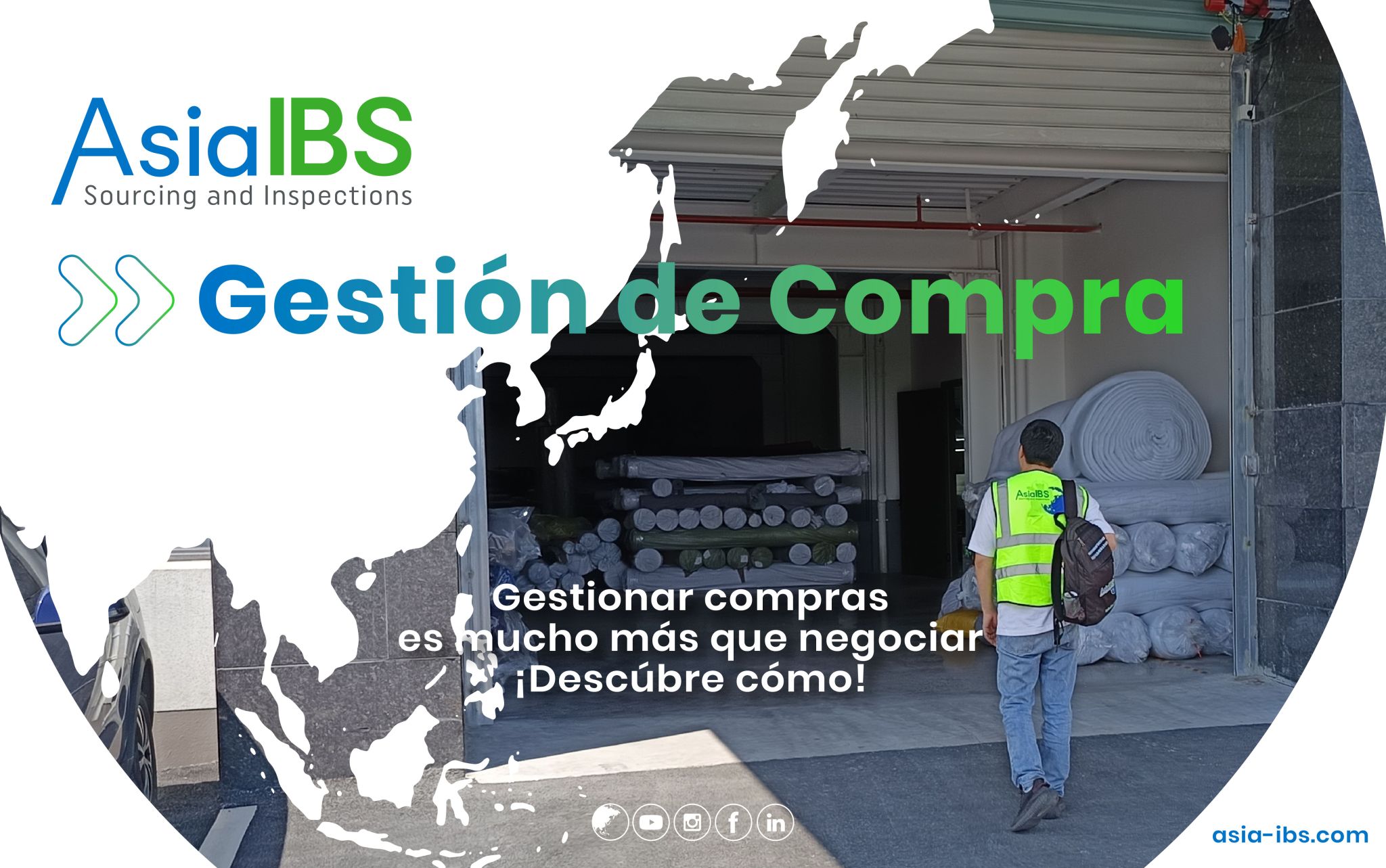

Procurement management has become a fundamental pillar of business success in increasingly competitive markets. This strategic function is not only responsible for acquiring the goods and services needed for operations; when managed efficiently, it can generate significant savings and improve profitability.
Optimizing the Procurement Process
One of the main objectives of procurement management is to ensure that products or services are acquired at the best possible price without compromising quality. This is achieved through strategic negotiations with suppliers, the search for multiple sources of supply, and price comparisons. Through these practices, companies can significantly reduce their operating costs.
Economies of Scale and Centralized Procurement
Companies that centralize their procurement processes can take advantage of economies of scale, obtaining lower prices by placing orders in large volumes. In addition, supplier consolidation and the negotiation of long-term contracts help secure more favorable prices and reduce the risks associated with market fluctuations.
Supplier Relationship Management
Effective procurement management also involves building solid relationships with suppliers. These relationships not only facilitate the negotiation of better terms but also guarantee a steady flow of quality materials. By working closely with reliable suppliers, companies can avoid the additional costs associated with supply chain disruptions or defective products.
Reducing Indirect Costs
Procurement management not only impacts the direct costs of acquiring goods and services; it also helps reduce indirect costs. Proper inventory planning and management minimizes storage costs and prevents product obsolescence. Likewise, automating procurement processes with specialized software helps reduce administrative time and costs.


