




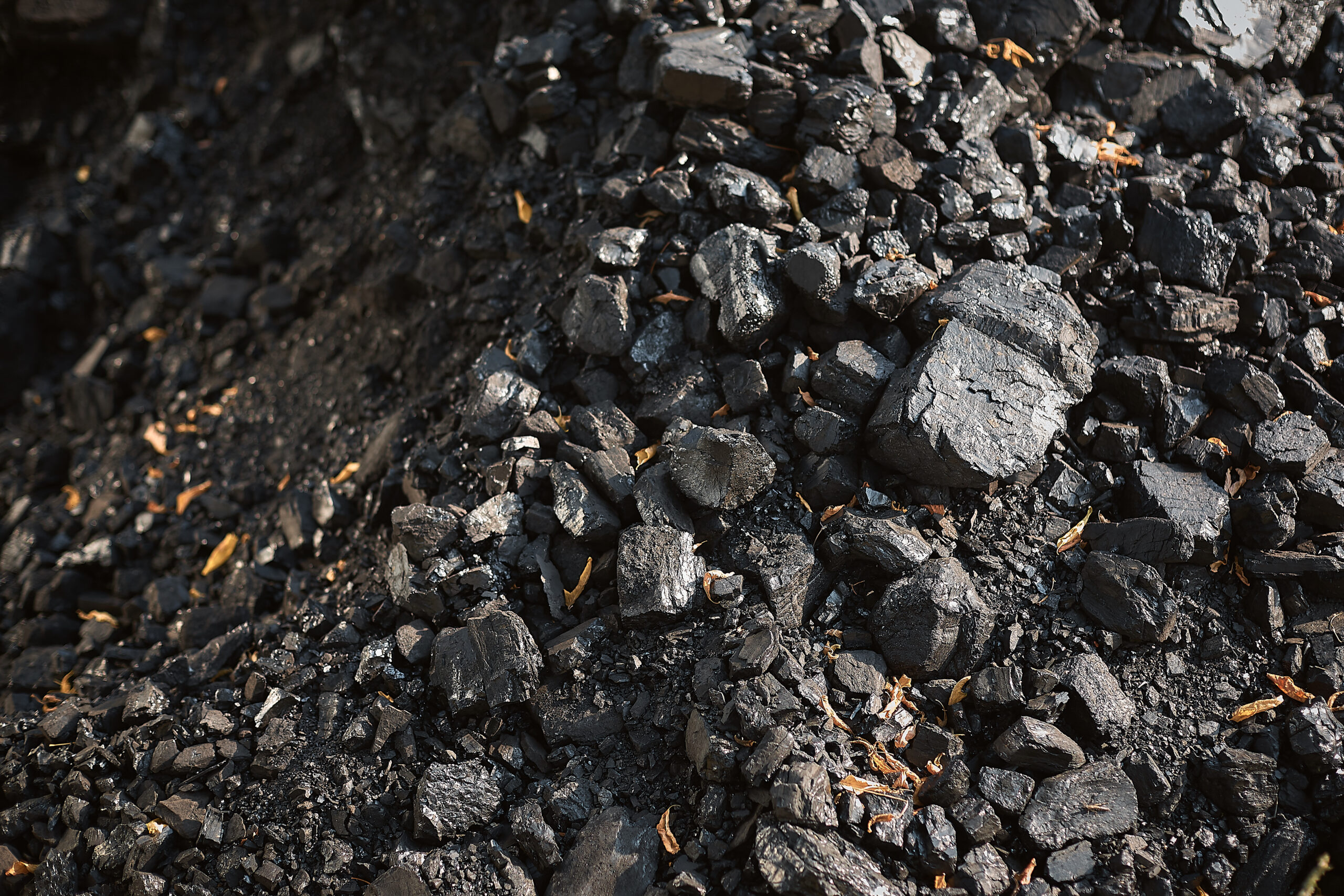

(CNN Business) — China is buying record amounts of cheap Russian coal, even as Western nations hit Moscow with sanctions over the invasion of Ukraine.
In April, the world’s second largest economy not only bought more coal from Russia than ever before, but also eliminated import tariffs on all types of coal, a move that analysts say will mainly benefit Russian suppliers.
China’s coal imports from Russia nearly doubled between March and April, reaching 4.42 million metric tons, according to trade data from Refinitiv. Russia has overtaken Australia as China’s second-largest supplier since last year and now accounts for 19% of its coal imports, up from 14% in March.
The coal trade boom benefits both sides. Despite bold promises to tackle the climate crisis, China is now focused on pulling its economy out of the doldrums and needs coal to fuel power plants and make steel for infrastructure projects. Russia desperately needs new customers for its fossil fuels, as the West turns them away.
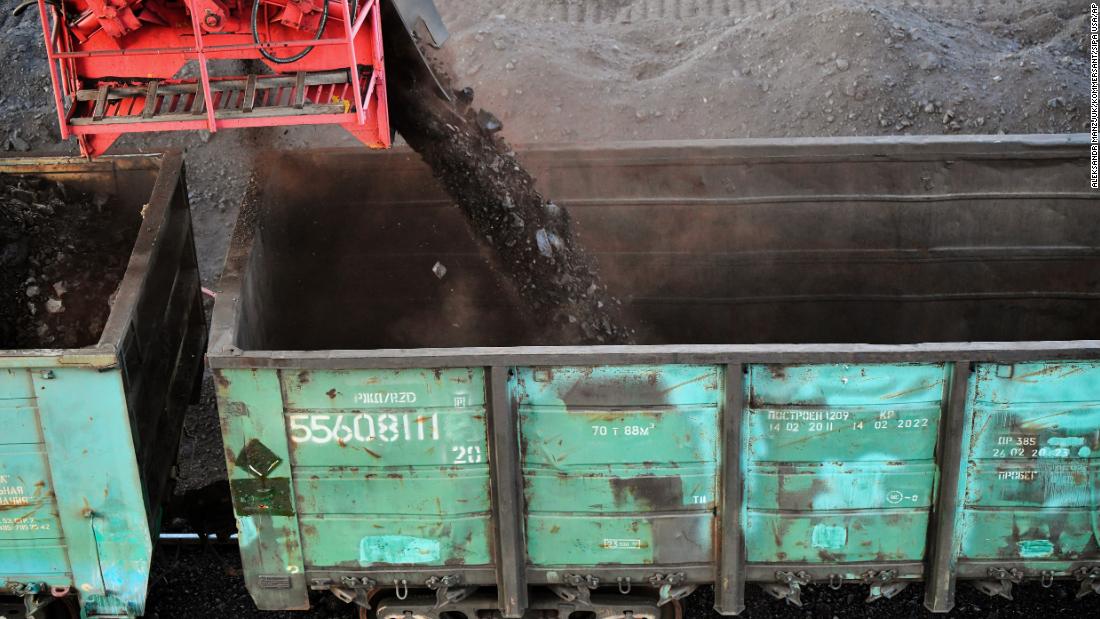
China, the world’s largest coal buyer, pledged in 2020 to be carbon neutral by 2060. However, after the severe energy shortage that hit millions of homes and businesses late last year, it increased its coal consumption.
Coal imports soared 64% in 2021, and domestic production reached a record 4.13 billion tons. These figures are expected to be even higher this year, as President Xi Jinping prioritizes infrastructure investments to revive the economy.
Last month, China imported a record 1.09 million tons of coking coal from Russia, 10% more than in April of last year, according to Matthew Boyle, lead dry bulk analyst at data firm Kpler. Coking coal is used to make steel.
First There Was a Drop
Coal trade between China and Russia declined shortly after Moscow invaded Ukraine in February and Western countries began hitting Russia with unprecedented sanctions. At first, Chinese banks were reluctant to provide financing for purchases of Russian commodities, according to Reuters.
“After Russia started the invasion, the Chinese and many other buyers initially reduced their purchases to assess the risk of secondary sanctions,” said Lauri Myllyvirta, lead analyst at the Centre for Research on Energy and Clean Air, a Helsinki-based think tank.
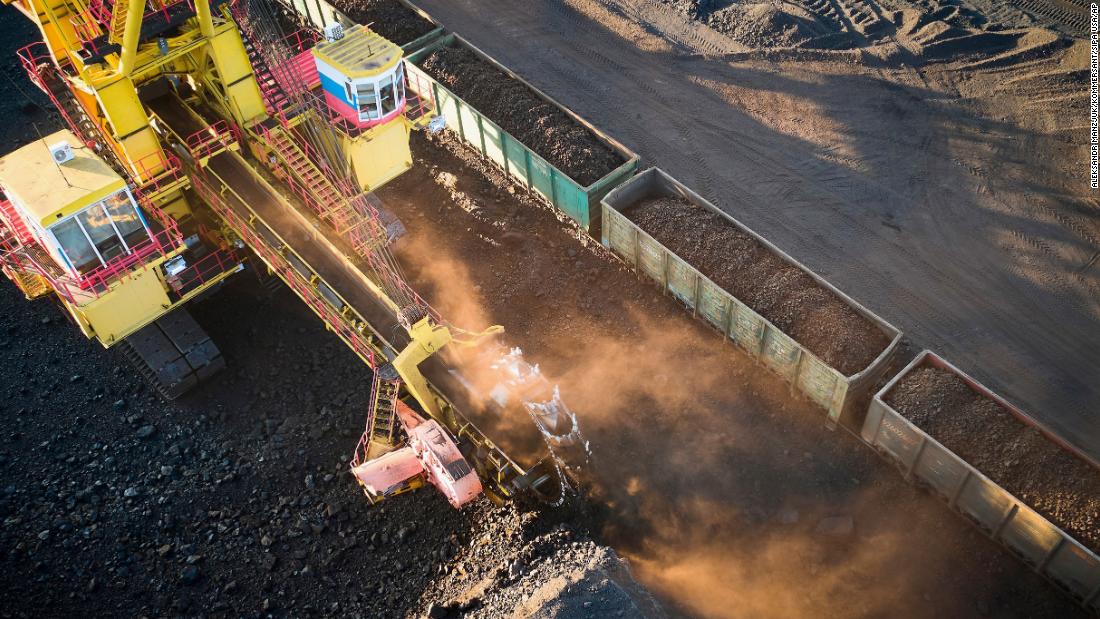
By March, that reluctance had evaporated.
“When it became clear that the EU was not going to act quickly to ban imports, and that effectively kept both the United States and the EU from imposing broader sanctions affecting other buyers, there was a jump in purchases driven by pent-up demand,” Myllyvirta said.
Since then, the European Union has approved a ban on Russian coal, which will take effect starting in August. Earlier this month, it also proposed banning all imports of Russian oil within six months.
Getting It Cheap
Not only is China now buying a great deal of Russian coal, it is doing so at a steep discount.
Russia is the world’s third-largest coal exporter, and global prices for the commodity have soared since it invaded Ukraine. The price of ICE Newcastle coal futures has risen more than 40% since early March.
“In recent months, sanctions have caused a sharp bifurcation of the global seaborne coal market, as many importers cannot or will not import coal from Russia,” said Toby Hassall, lead analyst for Coal Market Research at the London Stock Exchange Group.
As the pool of buyers shrinks, the importers that can and will buy coal from Russia “are paying much lower prices for this supply compared with coal from other origins,” Hassall said.
In April, premium Russian coking coal delivered to the port of Jingtang in northern China was priced at 2,710 yuan (US$ 403) per metric ton, according to Chinese industry data provider MySteel. That compares with US$ 475 for US coking coal arriving at the port and US$ 423 for coal mined in China.
The price discounts have persisted this month.
Late last week, Russian coking coal at northern Chinese ports cost an average of US$ 439 per metric ton, according to Hangzhou-based data provider Hithink Flush Information. Australian coal cost US$ 512, and Chinese coal US$ 496.
For Beijing, buying more from Russia is not just a friendly gesture toward Moscow, but also a smart move that serves China’s own economic needs.
“So far, the government appears to be seeking to maintain friendly relations with Russia without encouraging or directing Chinese companies to increase their business with the country, and discouraging anything that could run afoul of the sanctions imposed on China,” Myllyvirta said.
“This stance means that Chinese imports from Russia are likely to grow simply as a function of the market, as other buyers move to embargo Russian fossil fuels,” he said.
Why China Needs So Much Coal
Despite promises to reduce its reliance on fossil fuels, China still needs coal to power its economy. As much as 60% of China’s electricity output was generated from thermal coal in 2021, while more than 90% of Chinese steel was produced in blast furnaces that burn coking coal. Overall, coal accounted for 56% of China’s total energy use through last year, according to the National Bureau of Statistics.
“The Chinese government is pushing all kinds of infrastructure and construction projects, including those in the coal industry, to offset the effect of the property downturn and the covid-19 lockdowns on other parts of the economy,” Myllyvirta said.
China has been trying to boost coal production since last year, when a severe power crisis caused blackouts in millions of homes and forced many factories to cut output.
On Thursday, Premier Li Keqiang said that a steady energy supply is critical to China’s growth targets.
China will “resolutely” prevent a power crunch from occurring this year, Li said during a visit to a power transmission hub in China’s Yunnan province.
The National Energy Administration has set Chinese mines a target of 4.4 billion tons this year, an increase of 300 million over last year’s record output.
And in another effort to secure supply, the government cut all coal import tariffs to zero between May 1 of this year and March 30, 2023. Previously, tariffs ranged from 3% to 6%, depending on the type of coal.
Indonesia, China’s top supplier, has enjoyed zero tariffs for years thanks to a free trade pact between China and the ASEAN nations. But Russia remained subject to tariffs until this month.
“We estimate a 30% increase in [Russia’s] export volume to China, to 71 million tons this year versus 55 million tons in 2021,” Morgan Stanley analysts said in a research note last month.
A new bridge between China and Russia could help. Last month, the first railway bridge linking the two countries was completed. The bridge, at 2,215 meters in length, will be used mainly to transport coal, iron ore and other goods from Russia to China, according to Chinese state media.
Source: CNN en español


